Common Safety Issues Found in Aging Decks, Porches, and Ramps
Local contractors experienced in aging decks, porches, and ramps repair can identify and fix common safety issues to help ensure your outdoor spaces are safe and secure.
Aging decks, porches, and ramps can develop a variety of safety issues that may compromise their stability and usability over time. Property owners in the area often find themselves questioning whether structural wear, rotting wood, or loose railings might pose risks to residents and visitors alike. Recognizing these common safety concerns early can help prevent accidents and costly repairs down the line. Local service providers specializing in repair and maintenance are equipped to assess these issues, ensuring that aging outdoor structures remain safe and secure for everyday use.
Understanding the typical safety issues found in aging decks, porches, and ramps can empower property owners to take proactive steps. From deteriorating support beams to unstable handrails, these problems often develop gradually but can have serious consequences if left unaddressed. Many local contractors offer inspection and repair services tailored to address these common concerns, helping to restore safety and extend the life of outdoor structures. Exploring these topics further can provide valuable insights into how professional assistance can make a difference in maintaining safe, functional outdoor spaces.
- Aging decks - when wood rot, loose boards, or unstable support posts pose safety risks, local contractors can inspect and repair structural issues.
- Porches - if railings are wobbly or stairs are cracked, service providers can reinforce or replace damaged components to ensure stability.
- Ramps - deteriorating or uneven ramps may require professional repair to prevent tripping hazards and improve accessibility.
- Aging decks - local pros assess and address issues like decay and weakened joists to restore safety and functionality.
- Porches and ramps - contractors can fix or replace compromised surfaces and supports to reduce the risk of accidents in aging structures.
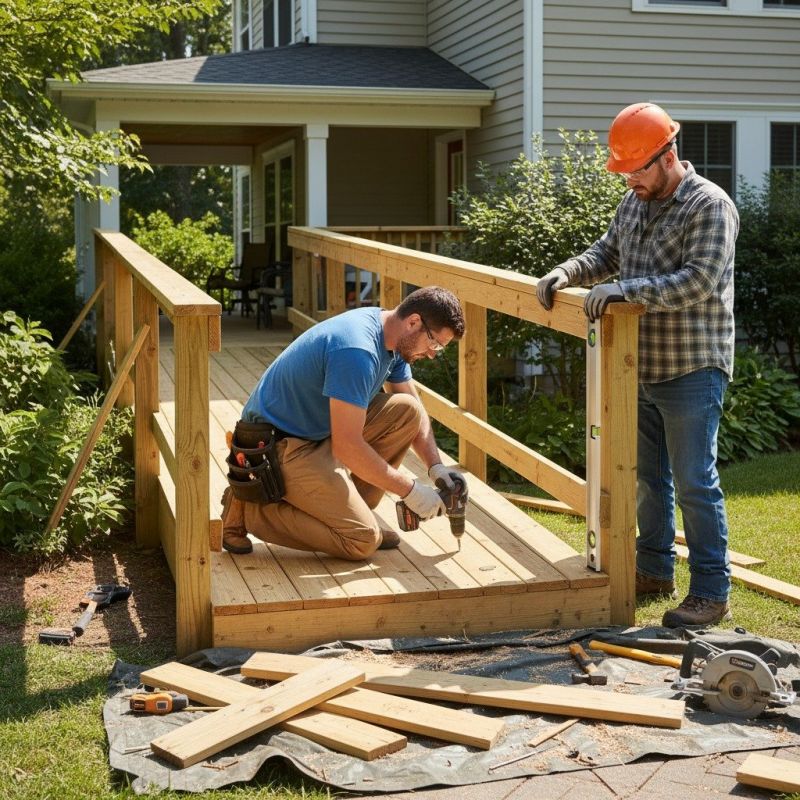
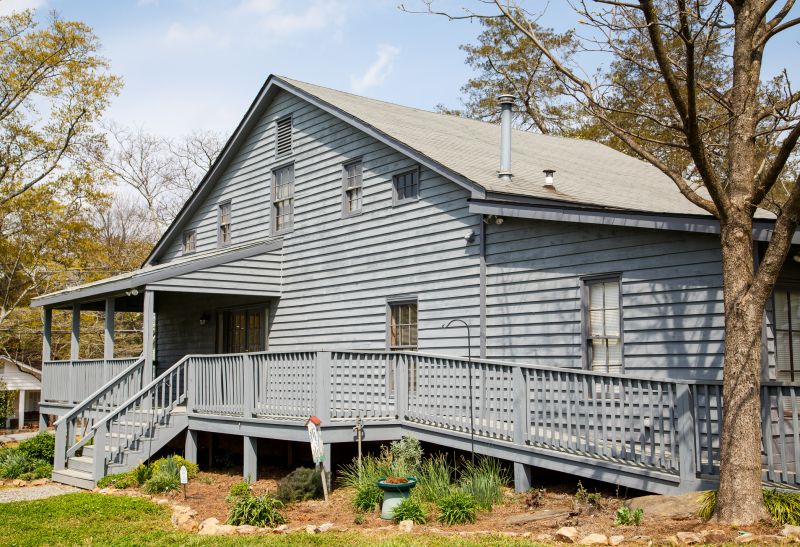
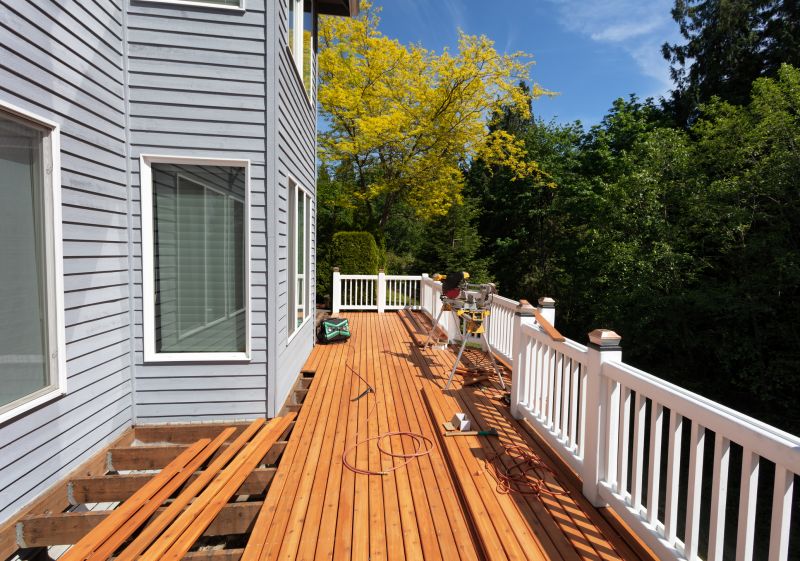
Many homeowners searching for information on common safety issues found in aging decks, porches, and ramps are typically concerned about the structural integrity and overall safety of these outdoor features. As these structures age, they often develop problems that can pose hazards to residents and visitors. This includes issues like rotting wood, loose or missing fasteners, and weakened support beams. Understanding these common problems helps homeowners recognize when repairs or replacements may be necessary to prevent accidents and ensure the safety of everyone using the space.
The types of problems related to aging decks, porches, and ramps often involve deterioration caused by exposure to weather elements over time. Wood components may become cracked, splintered, or warped, creating tripping hazards or unstable footing. Metal parts, such as nails or screws, can corrode and loosen, compromising the stability of the entire structure. Additionally, railings and guardrails may become loose or fail to meet safety standards, increasing the risk of falls. Homeowners may also consider plans for repairs or upgrades to improve safety, accessibility, and durability, especially if the existing structures no longer meet the needs of residents or visitors.
Properties most commonly associated with these safety concerns include older residential homes, multi-family dwellings, and commercial buildings with outdoor decks or ramps. Many of these structures were built decades ago and have not undergone recent inspections or updates. Ramps are especially relevant for properties that serve individuals with mobility challenges, making their safety critical. Whether a homeowner notices signs of aging or simply wants to proactively address potential hazards, connecting with experienced service providers is essential. Local contractors who specialize in aging deck, porch, and ramp repairs can assess the condition of these features and recommend appropriate solutions to restore safety and functionality.
Understanding common safety issues found in aging decks, porches, and ramps helps property owners prioritize repairs and maintenance. These issues often stem from natural wear and tear, exposure to the elements, or inadequate initial construction. Homeowners can benefit from the expertise of local service providers who are familiar with the typical problems faced by aging outdoor structures. These professionals can evaluate the specific condition of a property’s features, identify safety risks, and perform necessary repairs or upgrades. This ensures that outdoor living spaces remain safe, accessible, and enjoyable for everyone, now and in the future.
Wood repair and restoration projects involve addressing rotting, splintering, and structural weaknesses that are common safety issues in aging decks, porches, and ramps. Local contractors skilled in woodwork can help reinforce or replace compromised materials to improve safety.
Handrail and baluster installation services focus on securing or upgrading railing systems, which are critical for preventing falls on aging outdoor structures. Service providers can ensure railings meet safety standards and are properly anchored.
Surface refinishing and non-slip coating projects relate to improving traction and reducing slip hazards on aging decks and ramps. Local pros can apply coatings that help mitigate common safety issues caused by weathering and wear.
Structural assessment and reinforcement services involve evaluating the integrity of aging structures and adding supports or braces to address potential safety concerns. Local contractors can identify weak points and enhance stability.
Deck and porch replacement projects are often necessary when foundational safety issues cannot be remedied through repairs alone. Service providers can replace unsafe structures to ensure long-term safety and durability.
Ramp installation and modification services help improve accessibility while addressing safety issues like uneven surfaces or unstable handrails. Local pros can customize ramps to meet safety and usability needs.
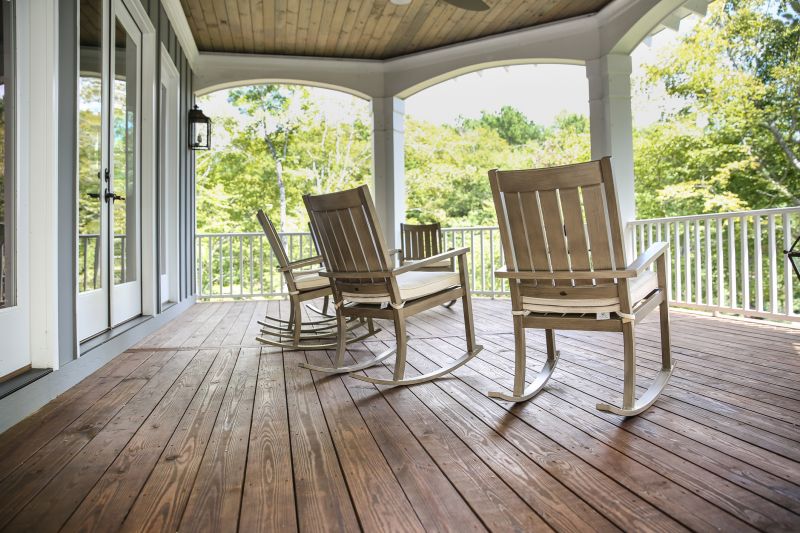
When evaluating service providers for aging decks, porches, and ramps repair, it is important to consider their experience with similar projects. Local contractors who have a history of handling safety-related repairs for structures of comparable age and design are more likely to understand the specific issues that arise over time. Their familiarity with common safety issues found in aging decks, porches, and ramps can help ensure that the necessary repairs address the root causes of potential hazards, such as weakened support beams, rotting wood, or loose railings.
Clear written expectations are essential when comparing local contractors for these repair services. A detailed scope of work that outlines the specific repairs needed, materials to be used, and the standards for safety can help prevent misunderstandings later on. Homeowners should look for service providers who can provide transparent documentation and clarify what is included in the repair process. This approach helps ensure that everyone is on the same page regarding the scope of work and safety considerations, reducing the likelihood of surprises or incomplete repairs.
Reputable references and good communication are also key factors to consider. Local contractors with positive feedback from past clients and a track record of completing similar projects can offer confidence in their reliability and expertise. Additionally, service providers who communicate clearly and promptly can make the process of comparing and selecting a contractor smoother. Effective communication ensures that homeowners can ask questions, express concerns, and receive comprehensive explanations about the repair options, ultimately supporting a well-informed decision when addressing common safety issues found in aging decks, porches, and ramps.
Property owners often search for common safety issues found in aging decks, porches, and ramps when they are planning practical projects around their homes and businesses. Local pros provide Aging Decks, Porches, and Ramps Repair services for everyday jobs and straightforward project options.
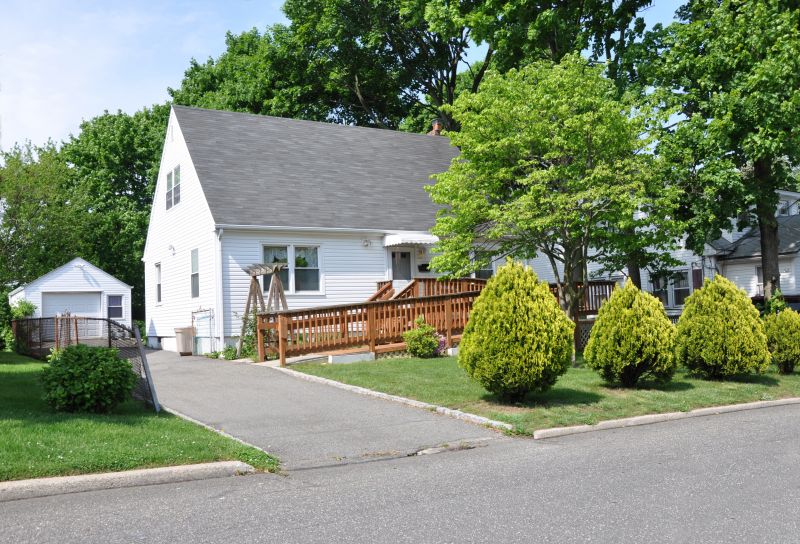
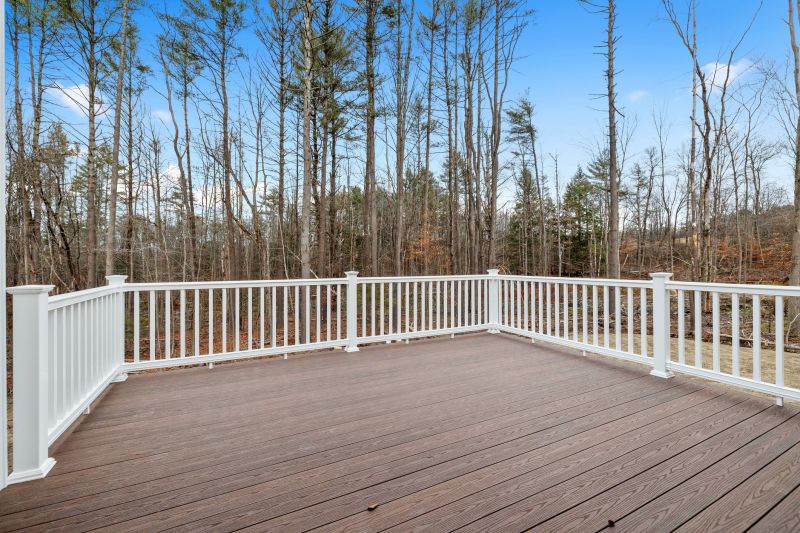
Aging decks, porches, and ramps can develop a variety of safety issues that property owners should be aware of. Common concerns include rotting wood, loose or unstable railings, and weakened support beams, all of which can pose tripping or falling hazards. Over time, exposure to weather elements can cause deterioration that isn’t always immediately visible, making regular inspections important. Local contractors specializing in deck, porch, and ramp repairs can assess these issues and recommend appropriate solutions to restore safety and stability.
Property owners in the area often look into aging deck, porch, and ramp repair services after noticing signs of wear or damage, such as cracked surfaces or wobbly structures. These issues can occur gradually, especially in older constructions, increasing the risk of accidents if left unaddressed. Working with experienced service providers can help ensure that safety concerns are properly handled, whether through repairs or reinforcement. Regular maintenance and timely repairs by local professionals can help extend the lifespan of these outdoor structures while maintaining a safe environment.
What are common structural issues in aging decks, porches, and ramps? Common safety issues include rotting wood, loose or weakened support beams, and unstable footing, which can compromise the stability of these structures. Local contractors can assess and repair these problems to ensure safety.
How can deterioration of railings affect safety? Deteriorated or loose railings can cause falls or injuries, especially for children or elderly individuals. Service providers can replace or reinforce railings to improve stability and safety.
What hazards are caused by damaged decking surfaces? Cracked, splintered, or warped decking surfaces can lead to trips, slips, or falls. Professionals can repair or replace damaged boards to reduce these hazards.
Why is proper drainage important for aging porches and ramps? Poor drainage can lead to water pooling, which accelerates wood rot and creates slippery surfaces. Local contractors can improve drainage to prevent water-related safety issues.
What signs indicate that a ramp may no longer be safe? Signs include wobbling, loose handrails, and uneven surfaces. Service providers can inspect and repair ramps to restore safe access and prevent accidents.
Structural Integrity Checks - property owners can schedule inspections with local contractors to identify weak or damaged framing that may compromise safety.
Surface Repairs and Replacement - replacing rotted or splintered decking boards and handrails helps prevent trips and falls on aging structures.
Non-slip Surface Applications - applying non-slip coatings or mats can improve traction on porches and ramps prone to becoming slippery when wet.
Hardware and Fastener Updates - securing loose or corroded bolts, screws, and railing fittings can enhance stability and reduce safety hazards.
If you are thinking about common safety issues found in aging decks, porches, and ramps for a property, this guide is meant to help you understand this topic, the typical project types, and how different options might fit your plans.
When you are ready, you can use the quote form on this page to share a few details about your project. From there, local pros can review the basics and follow up with options that match what you have in mind.