Get Handicap Ramp Installation
Handicap ramp installation services help property owners improve accessibility by adding ramps to homes or businesses, making it easier for individuals with mobility challenges to enter safely.
If you are considering handicap ramp installation, you are in the right place to explore your options. Property owners in the area often look into ramps to improve accessibility, whether for aging in place, accommodating mobility devices, or ensuring safety for visitors. Planning such a project involves evaluating different solutions to meet specific needs, making it helpful to compare services offered by local contractors who specialize in accessibility improvements.
Continuing to explore your options can lead to finding the right service providers to handle your handicap ramp installation efficiently and effectively. Local contractors bring experience with various property types and accessibility requirements, helping ensure the project aligns with your goals. Keep reading to discover how to connect with trusted professionals who can assist with your planning and installation needs.
- Residential Homes - homeowners needing accessible entryways for family members or visitors with mobility challenges.
- Commercial Buildings - business properties requiring compliant ramps to ensure accessibility for employees and customers.
- Public Facilities - government or community spaces that need handicap ramps to meet accessibility standards.
- Renovation Projects - properties undergoing upgrades that include installing or upgrading existing handicap ramps.
- Multi-Unit Housing - apartment complexes or condos seeking to improve accessibility for residents and visitors.
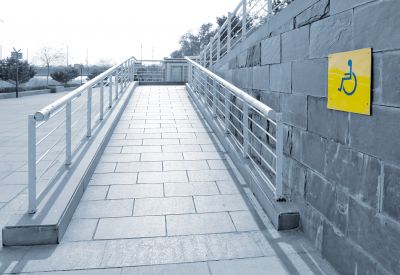
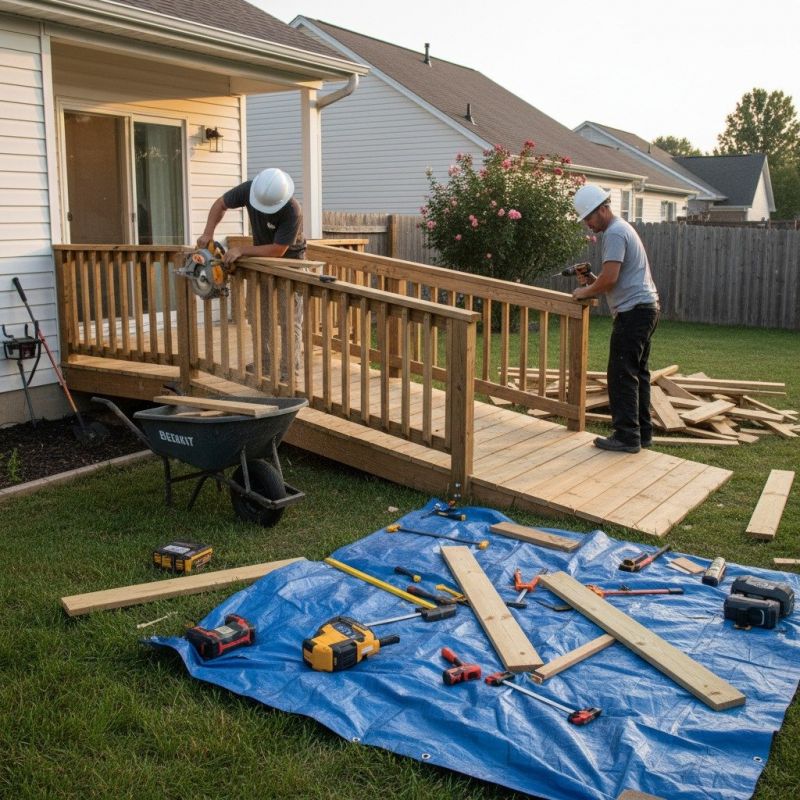
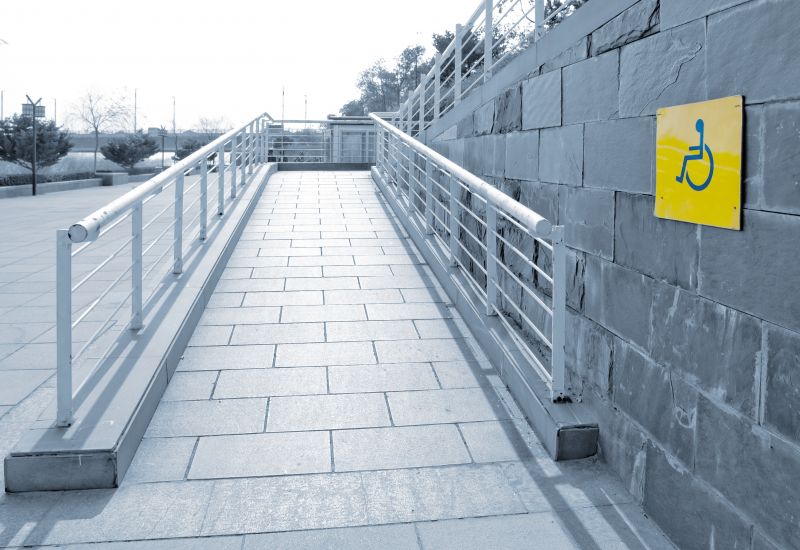
Handicap ramp installation services involve designing and building accessible ramps that provide safe and convenient entry points for individuals with mobility challenges. These ramps are typically constructed to meet specific measurements and safety standards, ensuring they can accommodate wheelchairs, walkers, or other mobility devices. The process includes assessing the property’s layout, selecting appropriate materials, and installing a sturdy, level surface that extends from the entrance to the ground. Local contractors experienced in handicap ramp installation can customize solutions to fit various property types, whether residential, commercial, or public spaces.
Many common problems that handicap ramp services help address include uneven or steps-filled entryways that can pose a barrier to mobility. For homeowners or property managers, installing a ramp can eliminate obstacles that prevent easy access for people with disabilities, seniors, or those recovering from injuries. Ramps also help comply with accessibility guidelines and promote independence for individuals who might otherwise struggle with stairs or narrow doorways. By providing a smooth transition from outside to inside, handicap ramps can significantly improve safety and convenience for all users.
Properties that typically utilize handicap ramp installation services include private residences, especially for elderly family members or residents with mobility impairments. Commercial buildings, such as offices, retail stores, and restaurants, often need ramps to meet accessibility standards and accommodate visitors or employees with disabilities. Additionally, public facilities like community centers, churches, and healthcare clinics frequently require ramps to ensure inclusive access. Whether for new construction or retrofitting existing structures, local service providers can help determine the best ramp solutions for each property’s specific needs.
Choosing to install a handicap ramp can make a meaningful difference in daily life by removing physical barriers and enhancing accessibility. Local contractors offer a range of options tailored to different property types and individual requirements. They handle everything from initial assessments to the final installation, ensuring that the ramp is safe, functional, and durable. Contacting experienced service providers can help property owners find practical solutions that improve mobility and independence for residents, visitors, or employees with mobility challenges.
The overview below groups typical Handicap Ramp Installation projects into broad ranges so you can see how smaller, mid-sized, and larger jobs often compare in your area.
In many markets, a large share of routine jobs stays in the lower and middle ranges, while only a smaller percentage of projects moves into the highest bands when the work is more complex or site conditions are harder than average.
Smaller Repairs - Typical costs for minor ramp repairs or adjustments usually range from $250 to $600. Many routine projects fall within this middle band, depending on the scope of work and materials needed.
Standard Installations - Installing a new handicap ramp often costs between $1,000 and $3,000. Local contractors generally handle these projects within this range, with variations based on length, materials, and site conditions.
Full Replacement - Replacing an existing ramp with a more durable or accessible design can range from $3,500 to $7,000. Larger or more complex projects tend to push into the higher end of this spectrum.
Custom or Complex Projects - Highly customized or extensive ramp installations, such as multi-level structures, can exceed $7,000 and reach $10,000 or more. These projects are less common but represent the upper tier of typical costs.
Actual totals will depend on details like access to the work area, the scope of the project, and the materials selected, so use these as general starting points rather than exact figures.
Wheelchair Lift Installation - involves planning and installing accessible solutions that require similar site assessment and structural work as ramp projects.
Home Accessibility Remodeling - includes modifications to entryways and interior spaces, utilizing skills in planning, carpentry, and construction comparable to ramp installation.
Exterior Staircase Construction - requires precise measurement and structural work, paralleling the planning and building skills used in ramp installation.
Handrail and Guardrail Installation - involves safety considerations and precise installation techniques similar to those used in ramp projects.
Concrete Walkway Construction - entails site preparation and concrete work that align with the skills needed for building ramps.
Doorway Threshold Replacement - involves precise measurements and structural adjustments, similar to the planning involved in ramp installation projects.
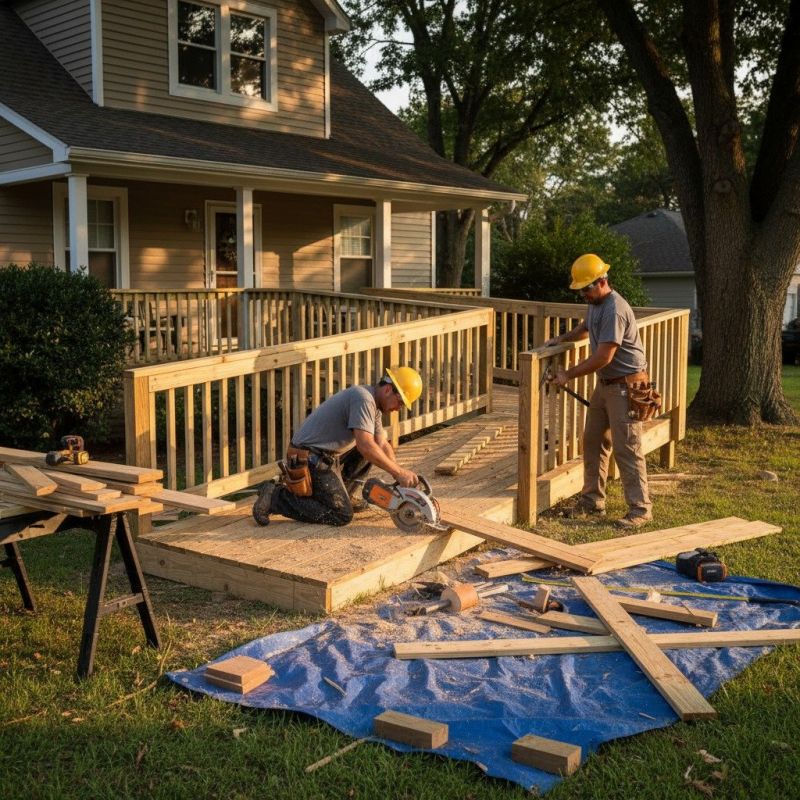
When comparing service providers for handicap ramp installation, it’s important to consider their experience with similar projects. Homeowners should look for local contractors who have a proven track record of successfully completing handicap ramp installations, especially those that match the scope and complexity of the project at hand. A contractor’s familiarity with different types of ramps, materials, and site conditions can help ensure the work is performed efficiently and meets the specific needs of the home and its occupants.
Clear, written expectations are essential for a smooth project. Homeowners should seek out local pros who provide detailed written estimates or proposals that outline the scope of work, materials to be used, and any relevant terms. This clarity helps prevent misunderstandings and provides a solid reference point throughout the project. Establishing mutual understanding through written communication can also facilitate smoother coordination and ensure that everyone is aligned on the project’s goals.
Reputable references and effective communication are key indicators of a dependable local contractor. Homeowners are encouraged to ask for references or examples of past projects similar in scope. Reaching out to previous clients can provide insights into the contractor’s reliability, quality of work, and professionalism. Additionally, good communication-prompt responses, clear explanations, and a willingness to address questions-can make the entire process more straightforward and less stressful. It’s important to remember that this site introduces homeowners to local options and does not perform the work itself.
Property owners use Handicap Ramp Installation services for practical projects around their homes and businesses. This guide focuses on everyday jobs and straightforward project options.
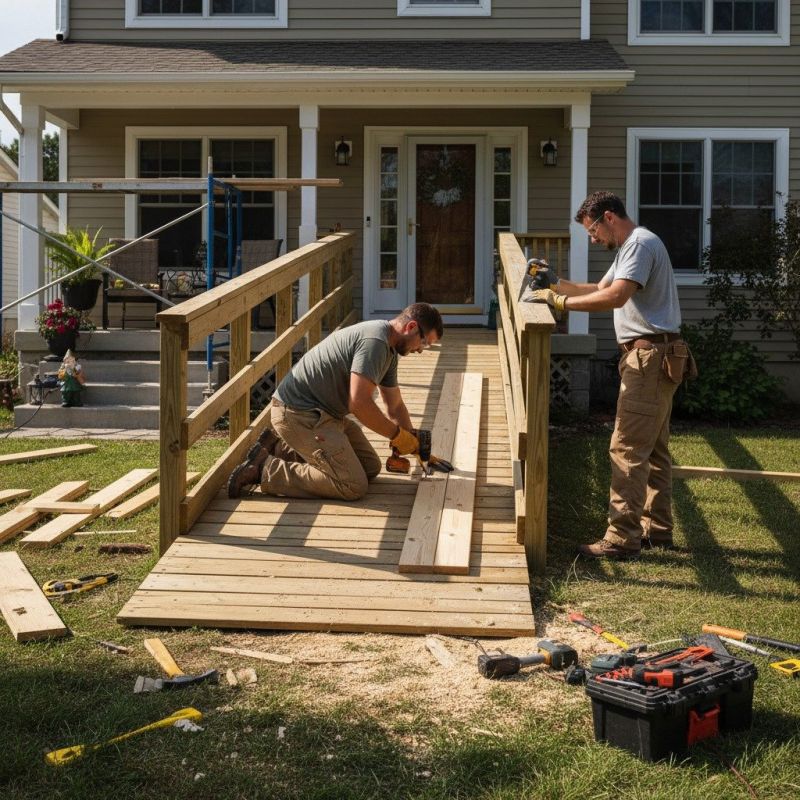

Handicap ramp installation services are often needed when property owners want to improve accessibility for individuals with mobility challenges. This could include making entrances easier to navigate for wheelchairs, walkers, or those who have difficulty with stairs. Local contractors can assist with installing ramps that fit the specific needs of a property, whether for a home or a business, ensuring that access is safe and compliant with relevant standards.
Many property owners seek handicap ramp installation to enhance safety and independence for residents or visitors. Common situations include renovations to accommodate aging family members, modifications following injury or illness, or updates to public or commercial spaces to meet accessibility requirements. Local service providers can help evaluate the space and install a suitable ramp to support everyday accessibility needs.
What types of handicap ramps are available for installation? Local contractors typically offer a variety of ramp options, including portable, modular, and custom-built ramps to suit different needs and spaces.
How do I determine the right ramp size for my property? Service providers can assess your specific requirements and space constraints to recommend the appropriate ramp dimensions for safe and comfortable access.
Are there different materials used for handicap ramps? Yes, local pros often work with materials such as aluminum, wood, or concrete, allowing options based on durability, aesthetics, and maintenance preferences.
What factors influence the type of handicap ramp installed? The choice of ramp depends on factors like the user's mobility needs, available space, and the location where the ramp will be installed.
Can local contractors handle permits or accessibility codes? Many service providers are familiar with local building codes and can assist with compliance requirements related to handicap ramp installations.
Accessibility Improvements - Installing a handicap ramp can make entryways more accessible for individuals with mobility challenges, ensuring easier access to homes and businesses.
Home Renovation Projects - Adding a ramp during a remodel can enhance the property's functionality and prepare it for future accessibility needs.
Event or Temporary Access - Service providers can help set up portable ramps for special events or temporary access requirements.
Community Facility Upgrades - Local contractors can assist in installing ramps at community centers or public buildings to meet accessibility standards.
If you are thinking about Handicap Ramp Installation for a property, this guide is meant to help you understand the work, the typical project types, and how different options might fit your plans.
When you are ready, you can use the quote form on this page to share a few details about your project. From there, local pros can review the basics and respond with options that match what you have in mind.